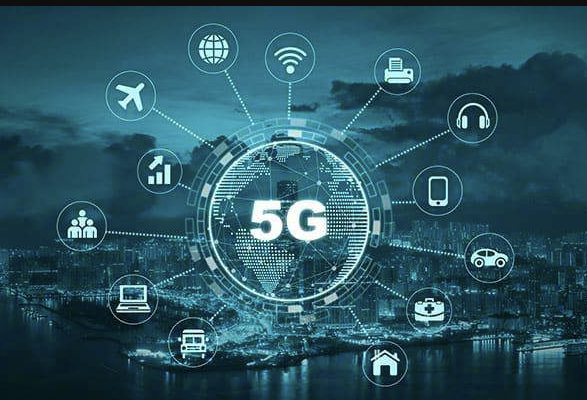
The future of 5G mobile networks holds significant implications for connectivity and technological advancement. Its capabilities, such as network slicing and edge computing, stand to enhance operational efficiency across various sectors. As urban areas evolve into smart cities and the Internet of Things expands, the role of 5G becomes increasingly critical. However, challenges remain in its implementation. Understanding these dynamics is essential for grasping the full impact of 5G on society and industry.
How 5G Will Transform Everyday Connectivity
As 5G technology continues to roll out globally, it promises to revolutionize everyday connectivity by enabling faster data transmission and reducing latency.
This advancement facilitates enhanced streaming capabilities, allowing users to enjoy high-definition content without interruption.
Additionally, seamless gaming experiences become achievable, as reduced lag times elevate user engagement and satisfaction, ultimately fostering a more liberated digital environment where connectivity empowers individual expression and creativity.
The Role of 5G in Smart Cities and IoT
5G technology serves as a foundational pillar for the development of smart cities and the Internet of Things (IoT), enabling a level of connectivity and data exchange previously unattainable.
This innovation supports smart infrastructure by facilitating real-time communication among connected devices.
As a result, urban environments can optimize resources, enhance efficiency, and improve the quality of life for residents, ultimately fostering a more sustainable future.
Challenges and Considerations for 5G Implementation
While the potential benefits of 5G technology are significant, various challenges and considerations must be addressed to ensure successful implementation.
Regulatory hurdles can impede the deployment process, complicating spectrum allocation and compliance requirements.
Additionally, substantial infrastructure investments are necessary to establish the extensive network of small cells and fiber optics.
Addressing these issues is critical for realizing the full potential of 5G networks.
See also: Next-Gen Tech Platform 7056757879 Cloud Network
What the Future Holds: Trends and Innovations in 5G?
Although many challenges remain, the future of 5G technology is poised to be shaped by rapid advancements and innovative applications that will redefine connectivity.
Key trends include network slicing, which enables tailored services for diverse user needs, and edge computing, enhancing data processing efficiency.
Together, these innovations promise to unlock new possibilities, empowering users and fostering unprecedented freedom in communication and connectivity.
Conclusion
In conclusion, the transformative potential of 5G mobile networks is underscored by a projected increase in global mobile data traffic, expected to reach 77.5 exabytes per month by 2025. This exponential growth highlights not only the demand for faster, more reliable connectivity but also the necessity for robust infrastructure to support emerging technologies. As 5G continues to evolve, its role in enhancing smart cities and IoT applications will fundamentally reshape user experiences and business operations across various sectors.