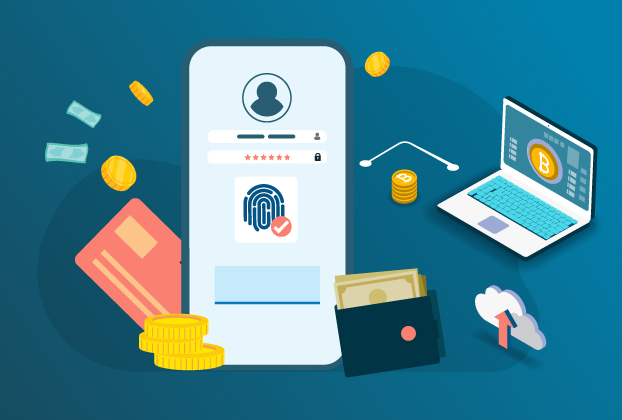
Crypto technology underpins digital transformation by enabling secure, interoperable data flows, trusted identities, and automated governance. Its core blocks—blockchain infrastructure, portable digital identities, and robust governance—support auditable provenance and scalable ecosystems. Real-world use cases span privacy-preserving analytics, cross-border settlements, and data-driven insights across industries. Organizations must evaluate security, compliance, and interoperability upfront, balancing risk with innovation. The path forward hinges on concrete frameworks and measurable outcomes that justify ongoing investments and governance.
What Crypto Technology Really Enables for Digital Transformation
Crypto technology enables digital transformation by providing a secure, interoperable foundation for data integrity, trusted identities, and automated processes across ecosystems. The analysis highlights governance-leaning models, risk-aware deployment, and measurable outcomes.
Crypto wallets enable user-controlled access, while smart contracts codify execution, reducing friction and delays.
Strategic security controls and data provenance drive trusted collaboration, empowering freedom through auditable, scalable digital ecosystems.
Core Building Blocks: From Blockchain to Digital Identities
Core building blocks for digital transformation rest on two intertwined pillars: blockchain infrastructure and digital identities. Strategic assessment shows blockchain governance shapes trust, interoperability, and policy compliance, while robust digital identity storage enables portable, verifiable credentials. This discipline reduces risk, improves auditability, and supports user autonomy. Decisions must balance security controls with freedom to innovate, guiding scalable, data-driven digital ecosystems.
Real-World Use Cases Across Industries
Enterprises leverage privacy preserving tokens to protect sensitive data while enabling compliant analytics, and cross border settlement reduces friction and settlement risk.
Data-driven visibility informs strategic decisions, elevating security posture and enabling scalable, freedom-centered digital transformation.
How to Evaluate, Adopt, and Govern Crypto Solutions
How should organizations methodically evaluate, adopt, and govern crypto solutions to maximize value while managing risk?
A structured framework weighs governance, risk, and privacy governance with clear ownership, policy standards, and traceability. Data-driven metrics assess cost, security, and interoperability. Token economics informs incentives and sustainability, while governance boards enforce accountability, auditing, and compliance, ensuring freedom through transparent, auditable decision-making and proactive risk mitigation.
See also: Crypto Technology and the Future of Online Payments
Frequently Asked Questions
How Does Crypto Tech Impact Regulatory Compliance for Enterprises?
Regulators weigh compliance implications and interoperability; crypto tech enhances traceability and auditable flows, enabling scalable governance. Enterprises pursue regulatory interoperability, reducing friction while preserving security, transparency, and data sovereignty, fostering freedom to innovate within standardized, verifiable risk controls.
What Are Hidden Costs and TCO of Crypto Adoption?
The statistic shows 60% of crypto initiatives exceed initial budgets, highlighting hidden costs and tco implications. The analysis emphasizes risk, integration, and security as strategic priorities for freedom-seeking enterprises pursuing data-driven, security-conscious adoption.
Can Crypto Solutions Scale for Global, Multi-Cloud Environments?
Crypto solutions can scale for global, multi-cloud environments, but face scalability challenges and governance hurdles. The analysis emphasizes multi cloud orchestration, data sovereignty, and security controls, guiding strategic, data-driven decisions for environments prioritizing freedom and risk mitigation.
What Privacy Guarantees Do Digital Identities Require?
Digital identities require robust privacy guarantees and strong identity privacy protections, balancing transparency and control. Strategically, this implies 최소 rigorous data minimization, consent-driven access, auditable privacy controls, and threat-model-driven safeguards that empower individuals while preserving security.
How Do Crypto Standards Evolve and Affect Long-Term Interoperability?
“Like a compass in cyberspace,” crypto standards evolve through governance, shaping long-term interoperability. The answer highlights crypto governance, interoperability standards, and strategic, data-driven, security-conscious considerations for audiences seeking freedom in resilient, future-proof digital ecosystems.
Conclusion
In the quiet ledger of progress, crypto technology stands as the compass and the seal. The blockchain acts as an unbroken vow; digital identities, the keys that quiet doubt; governance, the steady hand that enforces trust. Data flows become accountable streams, security the shoreline that holds the harbor intact. When strategy, measurement, and compliance align, transformation unfolds like a precisely coded beacon—visible, auditable, and enduring—guiding enterprises toward resilient innovation and safeguarded value.