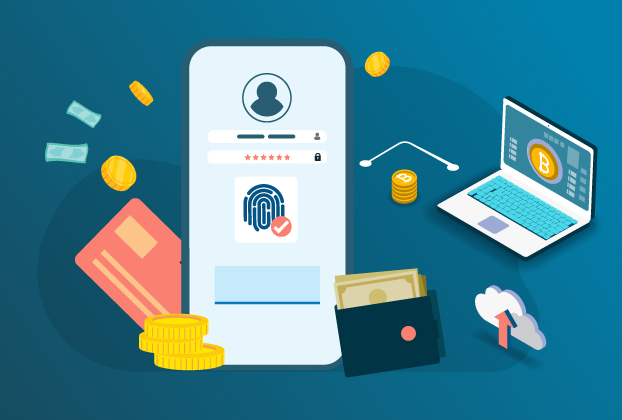
Crypto technology is reshaping online payments by enabling faster, cheaper cross-border settlements through modular, interoperable token standards and privacy-aware wallets. Core building blocks—networks, wallets, and smart contracts—compose a programmable, trust-enabled triad. Cross-chain primitives and layer solutions aim to boost throughput while preserving decentralization. Tradeoffs among speed, security, and privacy will influence governance, regulation, and ecosystem resilience, setting the stage for scalable adoption and new forms of financial inclusion—leaving essential questions unanswered for what comes next.
How Crypto Tech Is Redefining Everyday Payments
Crypto technology is increasingly shaping everyday payments by enabling faster settlement, lower fees, and greater accessibility across borders. Analysts observe rising adoption of privacy wallets and standardized token frameworks, which streamline cross-border transfers while preserving user autonomy. Data indicate modular token standards accelerate interoperability and upgrade paths.
Forward-looking projections suggest broader financial inclusion, enhanced compliance transparency, and resilient, user-centric payment ecosystems that resist centralized bottlenecks.
Building Blocks: Networks, Wallets, and Smart Contracts
Networks, wallets, and smart contracts form the triad at the core of modern crypto-enabled payments. This framework enables modular architectures, interoperability, and programmable trust.
Blockchain scaling challenges persist, yet layer solutions and cross-chain primitives promise higher throughput without sacrificing decentralization.
Wallet interoperability drives user freedom, reducing fragmentation.
Data-driven adoption forecasts anticipate streamlined settlement, transparent governance, and programmable money fueling global, permissionless commerce.
From Speed to Security: Tradeoffs and Real-World Impacts
Real-world crypto payments must balance speed with security, as throughput gains often imply greater exposure to risk and complexity.
The analysis highlights latency vs. privacy tensions, where faster networks can erode data protections, while privacy enhancements may constrain throughput.
Custody vs. interoperability emerges as a central tradeoff, guiding design choices toward resilient, scalable, user-empowering systems that preserve freedom without compromising integrity.
Navigating Risks, Regulation, and the Path Forward
The analysis emphasizes cross border compliance and consumer protections as essential levers, translating risk signals into scalable controls.
Data-driven oversight pairs with modular, interoperable designs, enabling resilient payment rails while preserving freedom to innovate.
Clear standards, adaptive enforcement, and transparent reporting shape sustainable adoption.
See also: sfyrigmata
Frequently Asked Questions
How Will Cross-Border Crypto Payments Affect Merchant Fees?
Cross-border crypto payments may reduce merchant fees by bypassing traditional intermediaries; however, variability in volatility, settlement times, and gateway costs could offset savings, prompting merchants to weigh total cost of ownership alongside potential revenue access and speed.
Can Crypto Payments Replace Traditional Credit Cards Entirely?
Crypto payments cannot entirely replace traditional credit cards; though unified wallets and crypto rails may displace some usage, substantial adoption hinges on privacy tradeoffs, interoperability, and data-driven cost advantages, alongside regulatory clarity appealing to freedom-seeking users.
What Happens to Crypto Payments During Network Outages?
During outages, crypto payments rely on outage resilience and network redundancy, with validators and nodes sustaining operations. Analysts forecast greater resilience via distributed networks, layered backups, and offline signing, enabling continued fiat- and crypto-assisted freedom in disrupted environments.
Are Stablecoins Safer for Everyday Consumer Transactions?
A 64% year-over-year rise in stablecoins circulation underscores their relevance; however, stablecoins safety remains contingent on issuer reserves and custody. The analysis notes consumer adoption benefits, yet emphasizes risk transparency, regulatory clarity, and continuous audits for safer everyday use.
Will Governments Ever Fully Regulate Decentralized Finance Platforms?
Governments are unlikely to achieve complete control over decentralized finance platforms; instead, global governance will incrementally shape standards, with regulatory cliffs and adaptive risk models. Tokenization ethics will guide transparency, audits, and user sovereignty while enabling prudent innovation.
Conclusion
In sum, crypto’s promise of instant, cheap cross-border payments rests on clever abstractions: networks, wallets, and smart contracts orchestrating trust where audits once stood. Yet the data tell a cautionary tale: speed often tests security, and privacy must coexist with governance. If regulators and builders harmonize standards and interoperable primitives, the future could resemble an efficient, inclusive rails system for commerce—satirically dramatic in its own restraint. The outcome hinges on disciplined execution, transparent metrics, and relentless risk management.